A local shop has always been an important part of the neighbourhood. People visit their nearby retailer for everyday products, quick purchases, and familiar service.
But today, the role of a local shop is gradually changing.
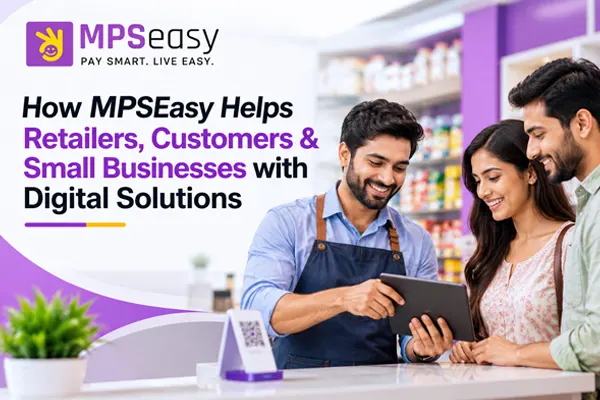
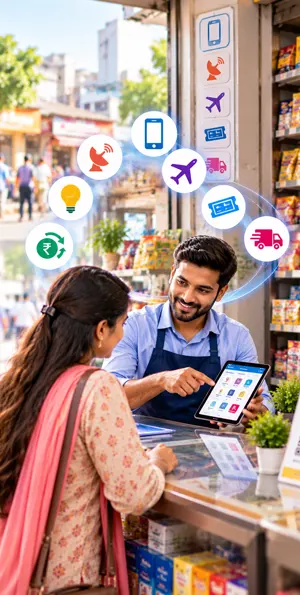
Customers may visit a retailer not only to purchase something, but also to complete an everyday digital requirement. A recharge, bill payment, money transfer, ticket booking, courier service, or other assisted service can become part of the same visit.
This change is creating a new opportunity for local retailers.
The Digital Shift Is Reaching Local Businesses
When people hear the term digital transformation, they often think about large companies, mobile applications, or online shopping.
However, digital services are also becoming part of small local businesses.
Many customers are comfortable using digital services, while others may still prefer assistance from someone they know and trust. A local retailer can provide that familiar point of assistance.
This makes the neighbourhood shop an important connection between customers and digital services.
A Shop Can Offer More Than Products
Traditional retail mainly focuses on selling products.
But customer requirements are becoming broader.
A person visiting a local retailer might also need to:
- Recharge a mobile or DTH connection
- Pay a utility bill
- Transfer money
- Access AEPS-related services
- Book travel services
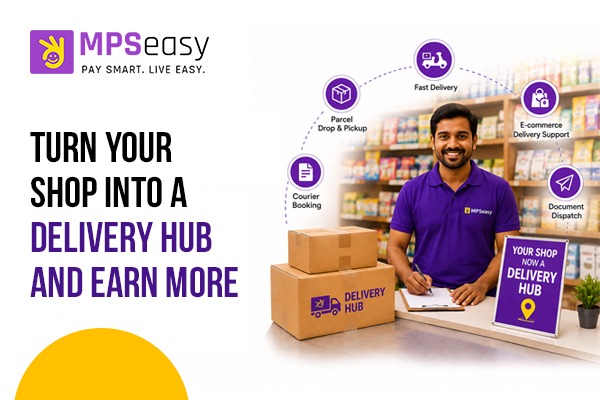
- Send or receive a parcel
- Complete other digital transactions
When these services are available at the same location, the retailer can serve more everyday customer needs.
Convenience Can Change Customer Visits
Consider a customer who normally visits a shop once a week.
If that same shop also provides useful digital services, the customer may have more reasons to visit throughout the month.
The benefit is simple: customers can complete multiple requirements without travelling to different locations.
For the retailer, every service interaction also creates another opportunity to build a relationship with the customer.
Local Trust Still Has Value
Digital platforms can make services faster, but local trust remains important.
Customers often prefer dealing with someone they recognise, especially when they need assistance with a process they are not completely familiar with.
A local retailer already has a relationship with the surrounding community.
Adding digital services can build on that existing relationship rather than replacing it.
Turning an Existing Shop Into a Service Point
Retailers do not necessarily need to completely change their existing business model.
A stationery shop can continue serving students.
A mobile shop can continue selling phones and accessories.
A general retailer can continue selling everyday products.
Digital services can simply become an additional part of the business.
This creates a combination of products + services + convenience under one roof.
More Services Can Mean More Customer Touchpoints
A retailer’s relationship with customers does not have to depend on a single transaction.
Different services can create different reasons for customers to return.
One customer may visit for a recharge.
Another may need a bill payment.
Someone else may require a money transfer or travel service.
Over time, these individual interactions can help a retailer become a\ more useful part of the local community.
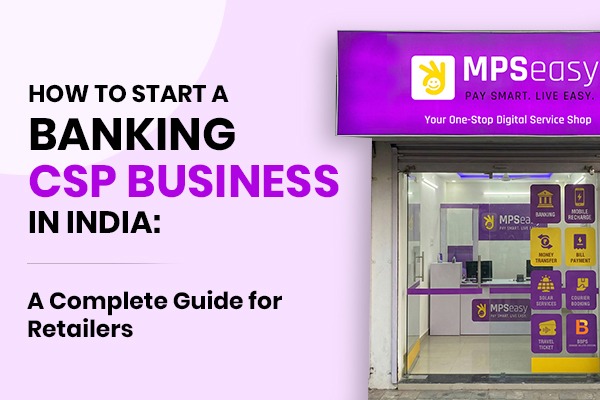
Where MPSEasy Comes In
MPSEasy provides retailers with access to multiple digital and assisted services through its platform.
The purpose is to help retailers expand the range of services they can provide from their existing business location.
Rather than creating a completely separate business, retailers can explore services that complement what they already do.
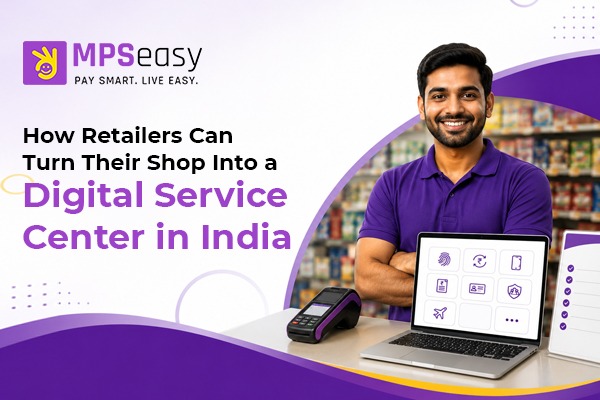
This can help turn a conventional retail outlet into a more versatile local service point.
The Future of Local Retail
The future of local retail may not be about choosing between physical stores and digital services.
Instead, both can work together.
The physical shop provides accessibility and personal interaction, while digital services provide additional convenience.
Together, they can create a more useful experience for customers.
The shop may look the same from outside, but what customers can accomplish inside can be very different.
Final Thoughts
Digital services are changing how customers interact with local businesses.
For retailers, this change represents an opportunity to think beyond traditional product sales and explore additional ways to serve their community.
A local shop can remain a familiar neighbourhood business while also becoming a convenient access point for everyday digital services.
The future of local retail may be simple: one familiar place, more useful services, and greater convenience for customers.